Overcoming resistance to UCD

This article aims to provide a detailed explanation of some of the most prevalent ways in which UCD is resisted and offers practical strategies to overcome these obstacles. By understanding and addressing these resistance points, organisations can cultivate a culture of user-centricity and enhance the overall user experience of their digital products and services.
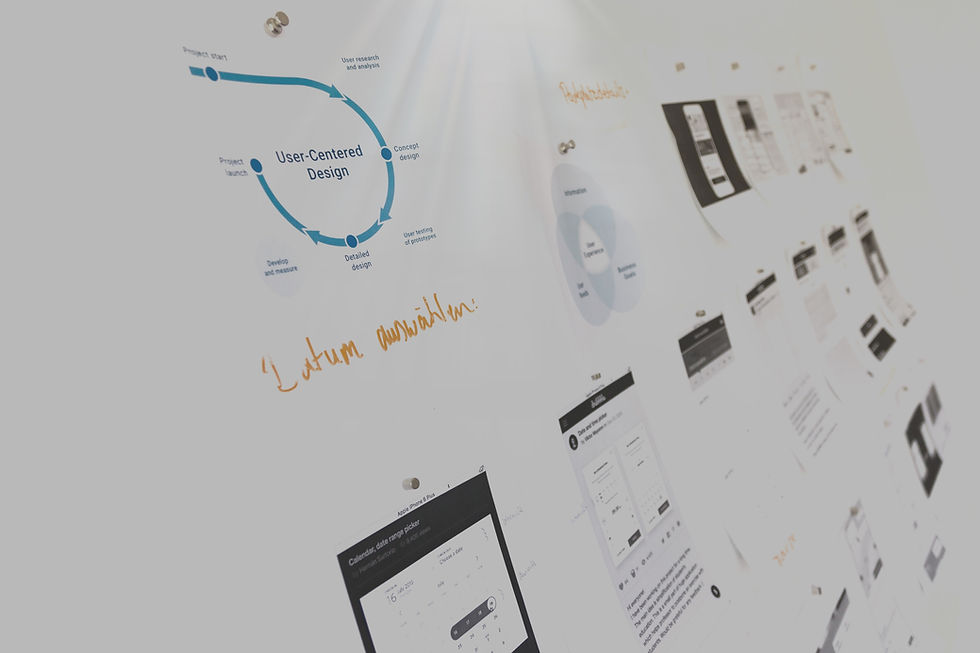
UCD is a human-centred approach that places users at the forefront of the design and development process. It involves understanding user needs, preferences, and behaviours through comprehensive research, incorporating user feedback at every stage, and iteratively refining designs to ensure optimal usability and user satisfaction. However, despite its proven benefits, UCD often faces resistance within organisations, hindering its widespread adoption and impeding the realisation of its potential.
In this article, we will explore the common ways in which UCD is resisted, ranging from lack of awareness and understanding to organisational culture, limited resources, risk aversion, lack of user involvement, and resistance to change. For each resistance point, we will provide practical strategies and approaches that can be employed to overcome these barriers and successfully integrate UCD into organisational practices.
By delving into these resistance factors and offering actionable solutions, organisations can navigate the challenges and embrace UCD as a fundamental approach to design and development. This, in turn, paves the way for improved user experiences, enhanced customer satisfaction, and increased business success.

Lack of Awareness and Understanding:
Resistance to UCD often stems from a lack of awareness and understanding about its benefits and principles. Decision-makers and stakeholders may prioritise short-term goals or have misconceptions about the time and resources required for UCD.
Overcoming Resistance:
Educate Stakeholders: Clearly communicate the value of UCD by sharing success stories, case studies, and metrics that demonstrate improved user satisfaction, engagement, and task completion rates.
Conduct Workshops and Training: Organise workshops and training sessions to introduce UCD principles, methodologies, and their positive impact on user experience, accessibility, and inclusivity.
Leverage Expertise: Bring in external consultants or experienced UCD professionals to collaborate and guide teams through the UCD process, fostering a deeper understanding and appreciation for its benefits.
Organisational Culture and Structure:
Resistance to UCD can also arise from a rigid organisational culture or structure that values hierarchy, siloed decision-making, and lack of cross-functional collaboration. In such environments, adopting UCD may be perceived as a disruption or challenge to established workflows.
Overcoming Resistance:
Advocate for UCD Integration: Engage with senior management and key stakeholders to champion the integration of UCD principles into organisational culture, highlighting the potential for improved user satisfaction, reduced support costs, and increased efficiency.
Foster Collaboration: Encourage cross-functional collaboration by creating multidisciplinary teams that include representatives from design, development, research, and other relevant departments. This approach helps break down silos and promotes a shared understanding of UCD across the organisation.
Pilot Projects: Start with small-scale pilot projects to demonstrate the value of UCD within specific departments or teams. Gather and showcase positive results to generate enthusiasm and buy-in from other stakeholders.
Limited Budget and Resources:
Resistance to UCD can also stem from limited budgetary allocations and inadequate resources dedicated to user research, usability testing, and iterative design processes.
Overcoming Resistance:
Make a Business Case: Develop a strong business case highlighting the potential return on investment (ROI) associated with UCD. Emphasise long-term cost savings through reduced development iterations, enhanced user satisfaction, and increased user adoption rates.
Prioritise Research and Testing: Advocate for the allocation of dedicated budget and resources for user research, usability testing, and iterative design processes. Highlight the value of these activities in mitigating risk, identifying user needs, and ensuring the delivery of user-centric digital services.
Risk Aversion and Fear of Failure:
Resistance to UCD can arise from risk-averse organisational cultures where failure is not tolerated. This fear of failure may discourage experimentation and iteration, which are essential aspects of UCD.
Overcoming Resistance:
Shift Mindset: Foster a culture that views failures as learning opportunities. Encourage stakeholders and team members to embrace a growth mindset and understand that iterative design and user feedback lead to improved outcomes.
Demonstrate Success Stories: Share success stories from other organisations that have embraced UCD, highlighting how failures and setbacks have ultimately led to valuable insights and successful outcomes.
Start Small, Iterate, and Learn: Begin with smaller projects or features where the potential risks and impacts are manageable. Encourage iterative design and continuous improvement based on user feedback. Emphasise that UCD allows for early identification and mitigation of issues, reducing the chances of large-scale failures.
Lack of User Involvement:
Resistance to UCD can occur when users are not actively involved in the design and development process. This can lead to a disconnect between user needs and the final product, resulting in poor user experiences.
Overcoming Resistance:
User Research and Testing: Conduct user research activities such as interviews, surveys, and usability testing to gather valuable insights into user needs, preferences, and pain points. Involve stakeholders in these activities to build empathy and firsthand understanding of user perspectives.
Co-creation Workshops: Organise co-creation workshops where users, stakeholders, and design teams collaborate to ideate, prototype, and validate solutions. This participatory approach ensures user input is considered throughout the design process, fostering a sense of ownership and engagement.
Continuous Feedback Loops: Establish channels for ongoing user feedback, such as user forums, feedback forms, or user testing sessions. Actively seek and incorporate user feedback to drive iterative design and demonstrate a commitment to user-centricity.
Resistance to Change:
Resistance to UCD can also arise from individuals or teams who are resistant to change or unfamiliar with UCD methodologies. They may prefer to rely on traditional approaches or their own intuition.
Overcoming Resistance:
Clear Communication: Communicate the need for change and the benefits of UCD in a clear, compelling manner. Address concerns and misconceptions, emphasising how UCD enhances the quality and impact of digital services.
Encourage Collaboration: Encourage individuals to work collaboratively and share knowledge and experiences with UCD practitioners. Facilitate knowledge-sharing sessions, lunch-and-learn events, or internal communities of practice to foster a culture of learning and support.
Celebrate Successes: Recognise and celebrate successful UCD projects, highlighting the positive outcomes achieved through user-centric design. This recognition can motivate and inspire others to adopt UCD methodologies.
In conclusion, resistance to User-Centred Design (UCD) is a common challenge faced by organisations across various sectors. However, by understanding and addressing the six most common ways in which UCD is resisted, organisations can overcome these barriers and foster a culture of user-centricity.
Firstly, it is crucial to tackle the lack of awareness and understanding surrounding UCD. By educating stakeholders about the benefits of UCD and providing concrete evidence of its positive impact on user satisfaction, engagement, and task completion rates, organisations can effectively convey the value of UCD methodologies. Conducting workshops and training sessions can further enhance understanding and promote the adoption of UCD principles.
Secondly, resistance often stems from organisational culture and structure. Siloed decision-making processes and a lack of cross-functional collaboration can impede the integration of UCD. By advocating for UCD integration, fostering collaboration through multidisciplinary teams, and initiating small-scale pilot projects, organisations can gradually transform their culture and break down barriers to UCD implementation.
Limited budget and resources also present a significant challenge. Organisations must make a compelling business case for UCD, highlighting the long-term cost savings through reduced development iterations, improved user satisfaction, and increased user adoption rates. Prioritising user research, usability testing, and iterative design processes by allocating dedicated budget and resources is essential to overcome this resistance.
Fear of failure and risk aversion can hinder the adoption of UCD. Shifting the mindset to view failures as learning opportunities, sharing success stories from organisations that have embraced UCD, and starting small with iterative design and user feedback loops can mitigate resistance and promote a culture that values experimentation and continuous improvement.
Lack of user involvement can lead to a misalignment between user needs and the final product. Engaging users through research activities, co-creation workshops, and continuous feedback loops ensures that their perspectives are integrated throughout the design process. By actively involving users, organisations can create solutions that truly meet their needs and expectations.
Lastly, resistance to change itself can be a significant barrier. Clear and compelling communication, encouraging collaboration and knowledge-sharing, and celebrating successes are key strategies to overcome resistance and inspire individuals and teams to embrace UCD methodologies.
By implementing these strategies and addressing the specific resistance points, organisations can overcome barriers to UCD and create a user-centric approach to design and development. This, in turn, leads to improved user experiences, increased user satisfaction, and greater success in achieving organisational goals. Ultimately, embracing UCD as a standard practice benefits both the organisation and its users, setting the stage for continuous improvement and innovation.


Comments