The benefits of UCD in Service Design

Key concepts
UCD is a design approach that prioritises the needs and preferences of the end-user. It involves gathering feedback throughout the design process to ensure that the final product or service is intuitive, efficient, and accessible.
Service Design is a discipline that involves creating services that are intuitive, efficient, and meet the needs of the end-user. It aims to improve the overall user experience by considering all aspects of the service delivery process.
User Centred Design (UCD) has become an essential approach to designing services in the government, focusing on the user's needs and preferences. By placing the user at the centre of the design process, UCD ensures that services are intuitive, efficient, and accessible to all users, regardless of their abilities.
In today's digital age, where technology is continuously evolving, delivering government services that meet the user's needs has become increasingly important. Whether it is applying for a passport, filing taxes, or accessing healthcare services, users expect seamless and intuitive experiences that meet their needs.
UCD offers numerous benefits to both the government agency and the end-user. It can improve the user experience, reduce costs, increase user satisfaction, improve efficiency, build trust, increase accessibility, improve data quality, and reduce support costs. By applying UCD principles to the design process, governments can ensure that services meet the needs of the end-user and deliver a positive user experience.
Service design is a relatively new discipline that has gained traction in recent years, particularly in the field of customer experience. It involves the creation of services that are intuitive, efficient, and meet the needs of the end-user. In essence, service design aims to improve the overall user experience by considering all aspects of the service delivery process, including interactions with staff, physical spaces, and digital interfaces.
The design of services has become increasingly important as businesses and organisations seek to differentiate themselves from competitors and provide a seamless customer experience. In today's digital age, where customers expect instant gratification and personalised experiences, delivering services that meet their needs has become critical.
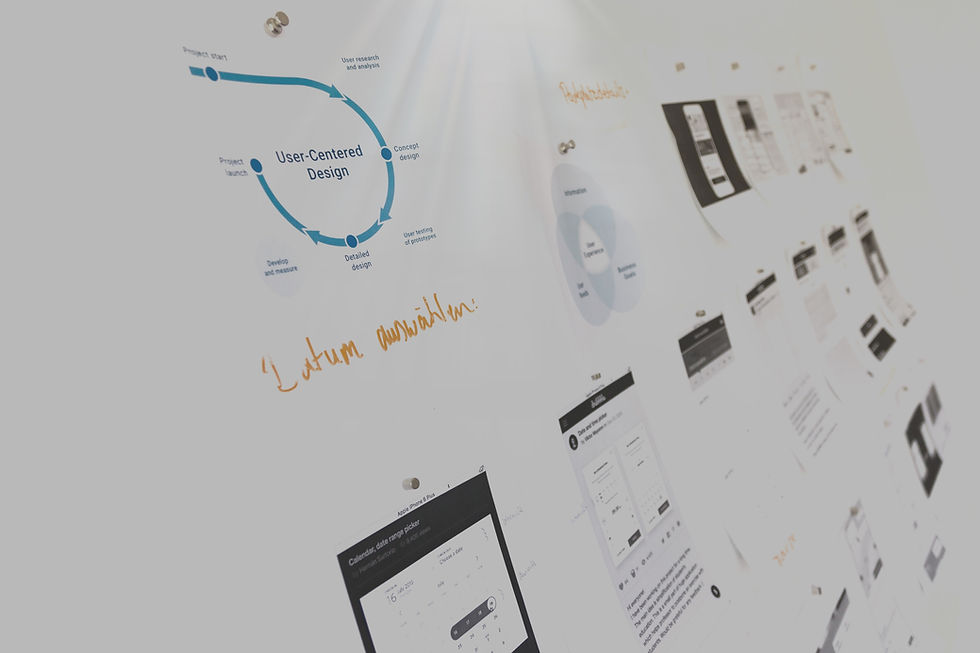
In this article, we will explore some of the key benefits of incorporating a robust UCD practice during your next project. Ultimately, this article aims to demonstrate the importance of UCD in service delivery and provide insights for project delivery specialists looking to incorporate UCD into their projects.
Reduced Costs
UCD helps to identify issues early in the design process, which can save a lot of money in the long run. By understanding user needs, you can ensure that the product or service is designed to meet those needs and reduce the risk of costly rework. According to a report by IBM, the cost of fixing an error in a product increases by a factor of ten for every stage of development that it goes undetected.
Improved User Experience
User experience (UX) is a crucial factor in the success of any service. UCD ensures that the user's needs are at the forefront of the design process, resulting in a service that is easy to use and meets the user's needs. By focusing on the user's needs, UCD ensures that the user experience is tailored to their requirements, making it more likely that they will use the service repeatedly.
According to a study by Forrester Research, companies that focus on delivering superior customer experiences have an average revenue growth rate of 5.1%, compared to the 0.7% growth rate of companies that don't prioritise customer experience.
Increased User Satisfaction
When users have a positive experience with a service, they are more likely to be satisfied with the overall service delivery. UCD can help to ensure that the service meets the user's needs and is easy to use, resulting in a positive user experience.
According to a study by PwC, 32% of customers will stop doing business with a brand after a single bad experience.
Improved Efficiency
UCD can help to streamline processes and reduce the time required to complete tasks. By understanding the user's needs and how they interact with the service, designers can eliminate unnecessary steps in the process and ensure that the service is easy to use. This can help to reduce the time required to complete tasks, resulting in improved efficiency and productivity.
Increased Trust
When users have a positive experience with a service, they are more likely to trust the government agency providing the service. Trust is essential in government service delivery, and UCD can help to build trust by ensuring that the service meets the user's needs and is easy to use. According to the 2020 Edelman Trust Barometer, trust in government is at an all-time low, with only 37% of people trusting the government to do what is right.
Increased Accessibility
By incorporating UCD principles into the design process, you can ensure that your service is accessible to all users, regardless of their abilities. This can include designing for users with visual impairments, hearing impairments, or mobility issues. By making your service more accessible, you can increase your user base and ensure that everyone has equal access to your service.
According to the World Health Organization, approximately 15% of the world's population lives with some form of disability. By designing services that are accessible to this population, governments can ensure that they are providing equitable services to all citizens.
Improved Data Quality
UCD can also help to improve the quality of data collected through a service. By designing the service with the user in mind, you can ensure that the data collected is accurate and relevant to the user's needs. This can help to reduce errors in data collection and ensure that the data collected is useful for decision-making.
According to a report by Experian, poor data quality can cost organisations up to 15% of their revenue. By improving the quality of data collected through a service, governments can save money and make more informed decisions.
Reduced Support Costs
UCD can help to reduce the cost of supporting a service by designing the service to be easy to use and understand. By focusing on the user's needs and designing an intuitive interface, users are less likely to require support from the government agency. This can help to reduce the cost of providing support and free up resources for other areas of service delivery.
According to a study by Salesforce, 73% of customers say that a positive customer experience is a critical factor in their loyalty to a brand. By focusing on UCD and delivering a positive user experience, governments can improve customer loyalty and reduce the need for costly support services.

In conclusion, User Centred Design (UCD) has become an essential part of service delivery in the government, offering numerous benefits to both the government agency and the end-user. By applying UCD principles to the design process, governments can improve the user experience, reduce costs, increase user satisfaction, improve efficiency, build trust, increase accessibility, improve data quality, and reduce support costs.
UCD ensures that the user's needs are at the forefront of the design process, resulting in a service that is easy to use, accessible, and meets the user's needs. By focusing on the user's needs, UCD ensures that the user experience is tailored to their requirements, making it more likely that they will use the service repeatedly. This can lead to increased user satisfaction and loyalty.
UCD can also help to reduce costs by identifying issues early in the design process, eliminating the need for costly rework. By designing services that are accessible to all users, regardless of their abilities, governments can ensure that they are providing equitable services to all citizens.
In addition, UCD can help to improve the quality of data collected through a service, reducing errors and ensuring that the data collected is useful for decision-making. By designing services that are easy to use and understand, governments can reduce the cost of supporting the service and free up resources for other areas of service delivery.
Ultimately, UCD is crucial for service delivery in the government, as it ensures that the service meets the needs of the end-user and delivers a positive user experience. By applying UCD to your next government project, you can ensure that your service is accessible, efficient, cost-effective, and meets the needs of the user.
If you are looking to incorporate UCD into your next government project, we can help. As a talented UCD specialist, We have a wealth of experience in delivering complex government projects within the GDS framework.
We understand that incorporating UCD into your project can be challenging, but with our expertise, we can help you design services that meet the needs of your users and deliver a positive user experience. We can work with your team to develop user personas, conduct user research, and design intuitive interfaces that meet your users' needs.
If you want to improve your service delivery, increase user satisfaction, and reduce costs, get in touch with us today. We can help you deliver a service that meets the needs of your users and sets you apart from the competition. Contact us now to learn more about how we can support your UCD requirements.


Comments